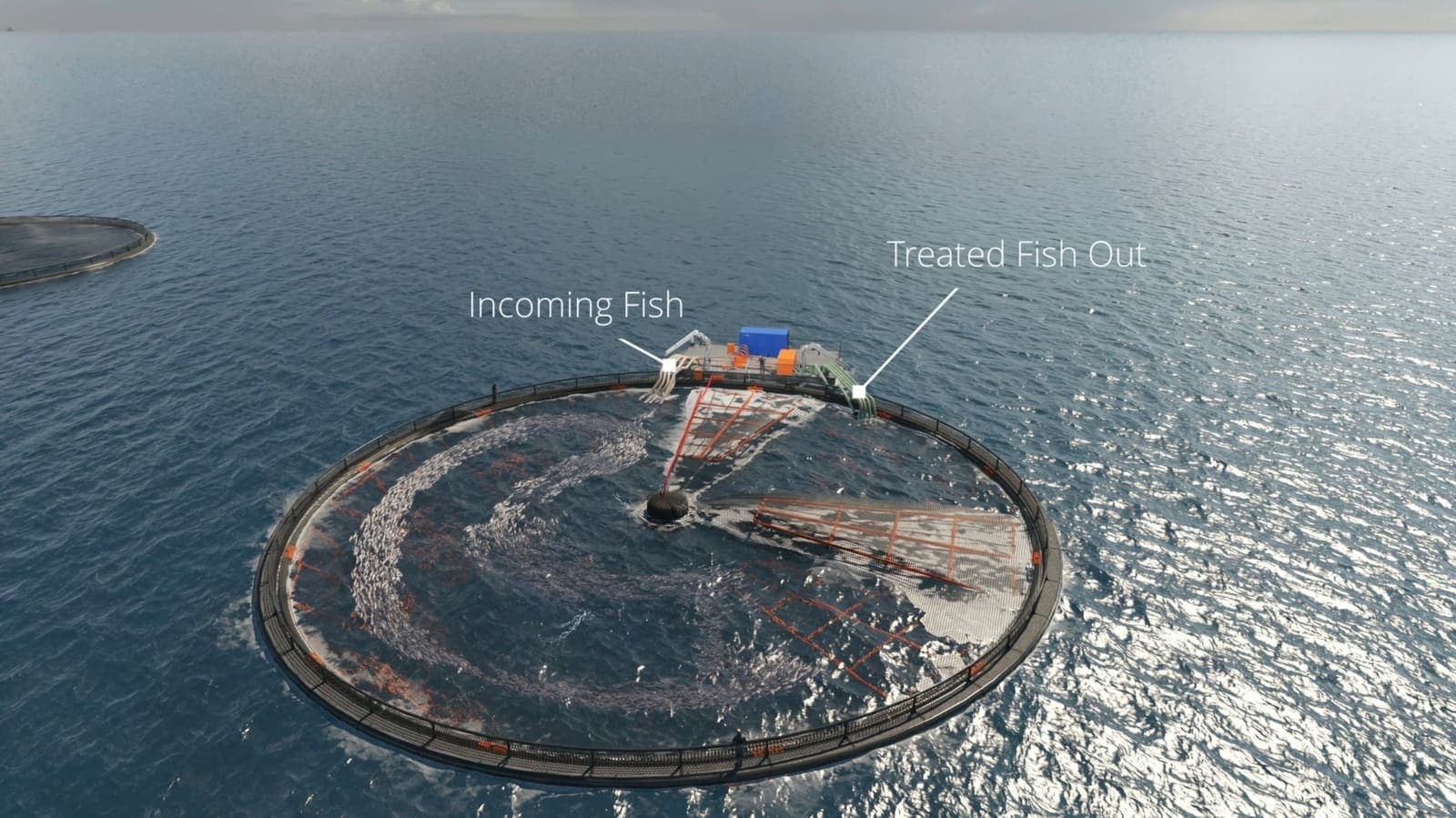
Gentle crowding
The pen is divided into sectors and the fish are moved gently between them. Ballast control removes the need for winches.
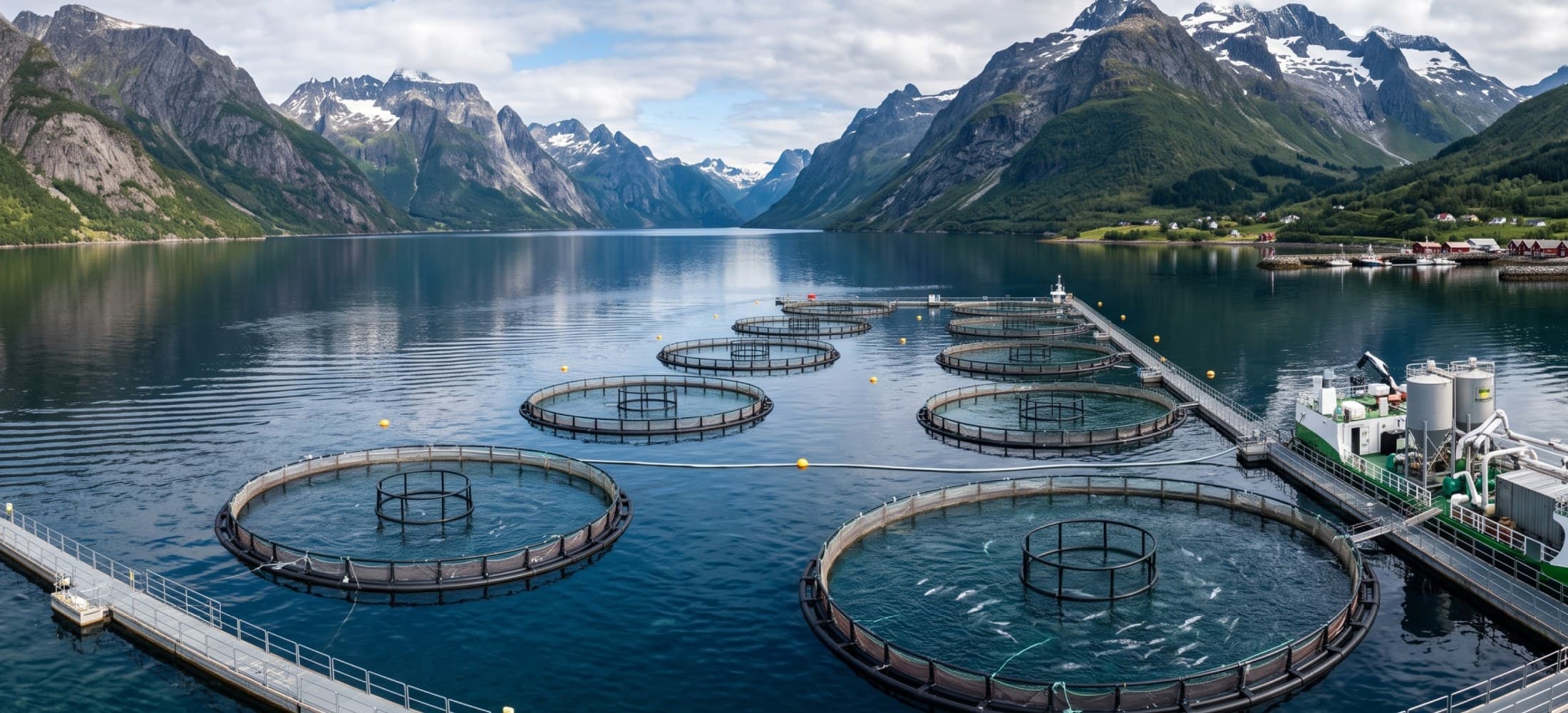
Ambition to reduce the farmer's treatment costs by 30-50%
Behind the technology
The technology is developed in collaboration with the research institute NORCE, with fish welfare as the first priority.
Read more — Partnering with NORCEThe core technology is patent pending, backed by an independent patentability assessment.
Read more — Patent pendingVenturitech is made up of people with deep experience from industry, aquaculture, marine biology, programming, technology development and commercialisation.
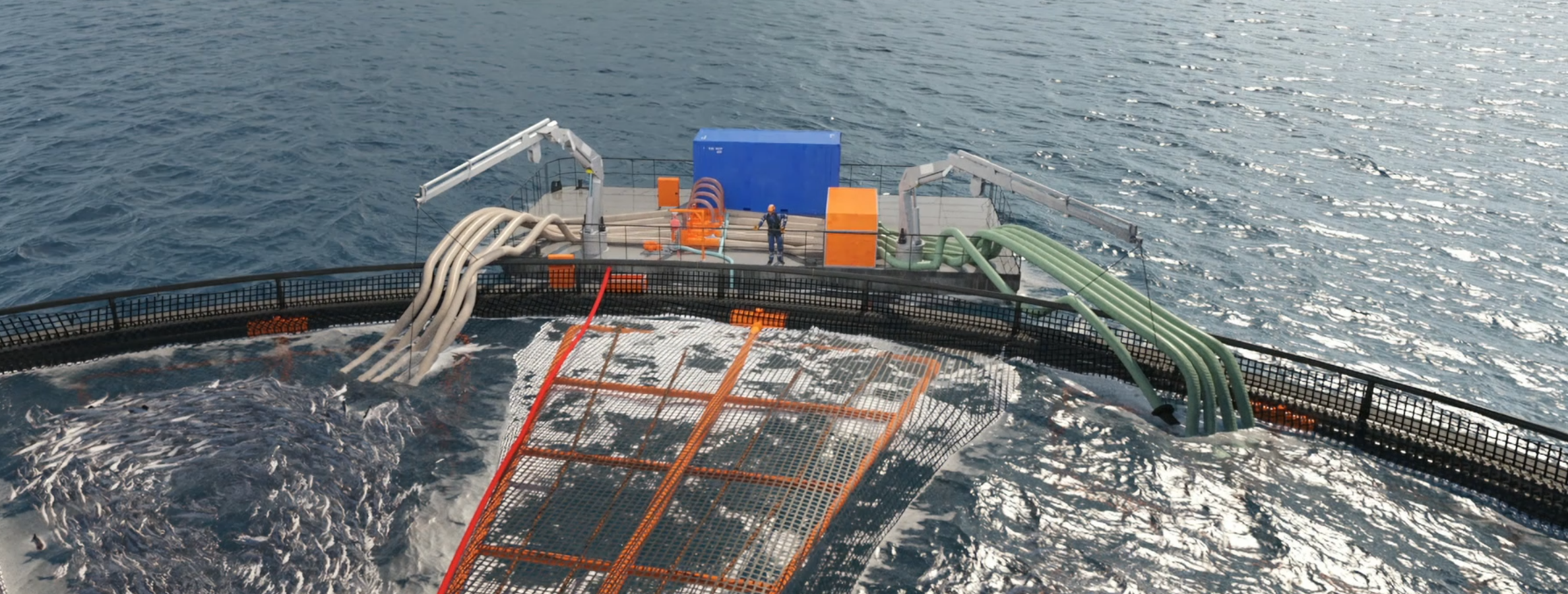
Meet the team — International expertiseFive steps from untreated to treated sector. The water flow carries the fish the whole way.
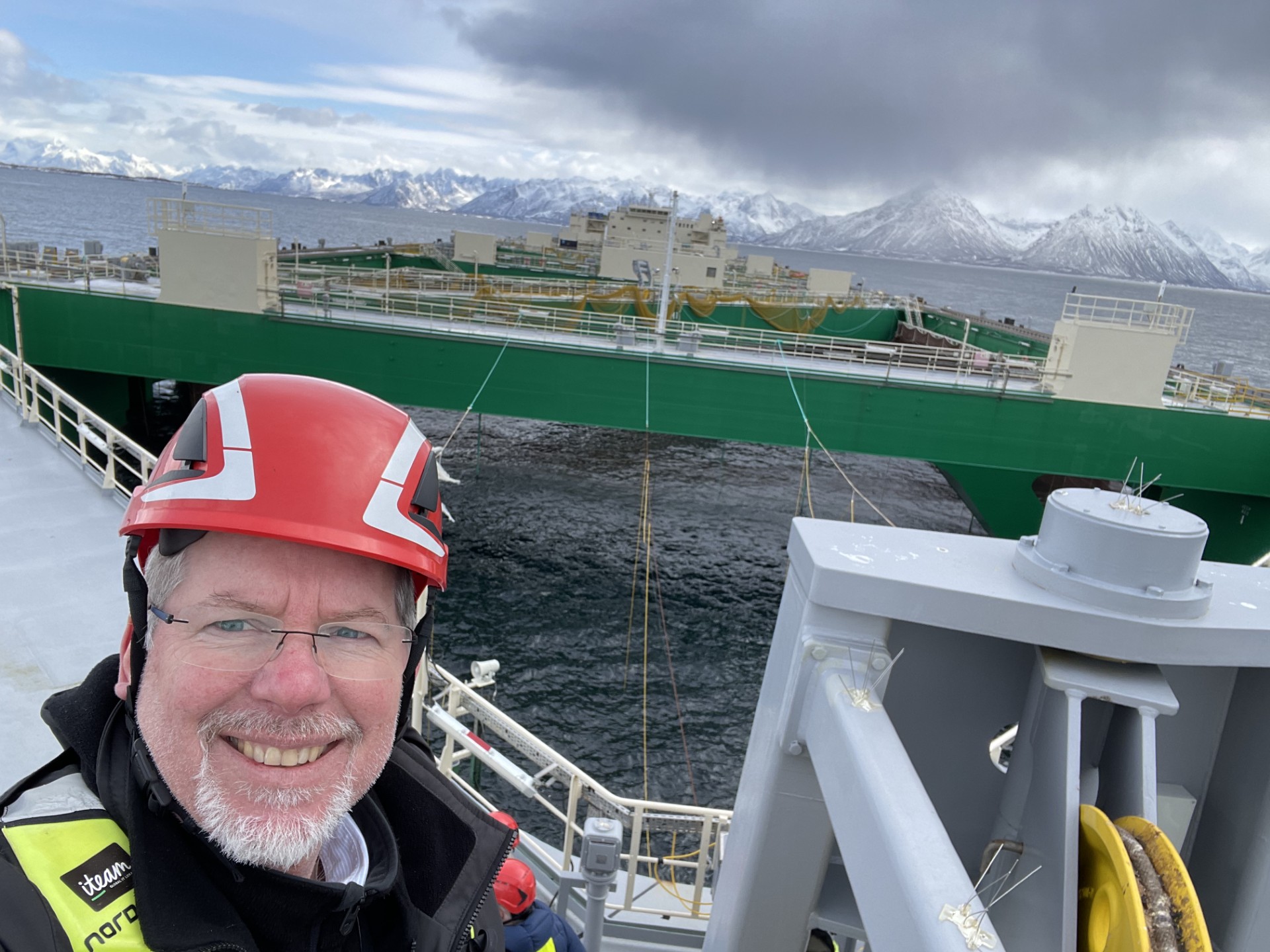
After decades of research into salmon biology and welfare, Lars Ebbesson is stepping into the role of CEO at VenturiTech to help transform sea lice treatment—with technology designed to reduce handling, stress and mortality while advancing a more sustainable aquaculture industry.
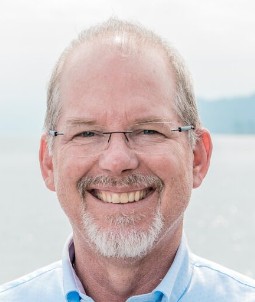
Venturitech is taking an important step into its next phase of development. We are proud to announce that Lars Ebbesson, one of the aquaculture industry's most experienced research and innovation leaders, is joining the company as Chief Executive Officer. His expertise in biology, fish welfare, digitalization, and technology development will strengthen Venturitech's efforts to develop the next generation of sustainable sea lice control solutions.

The research institute NORCE has been involved in the technical evaluation and development of our system. They have now summarised their assessment in writing.
The pen is divided into sectors and the fish are moved gently between them. Ballast control removes the need for winches.
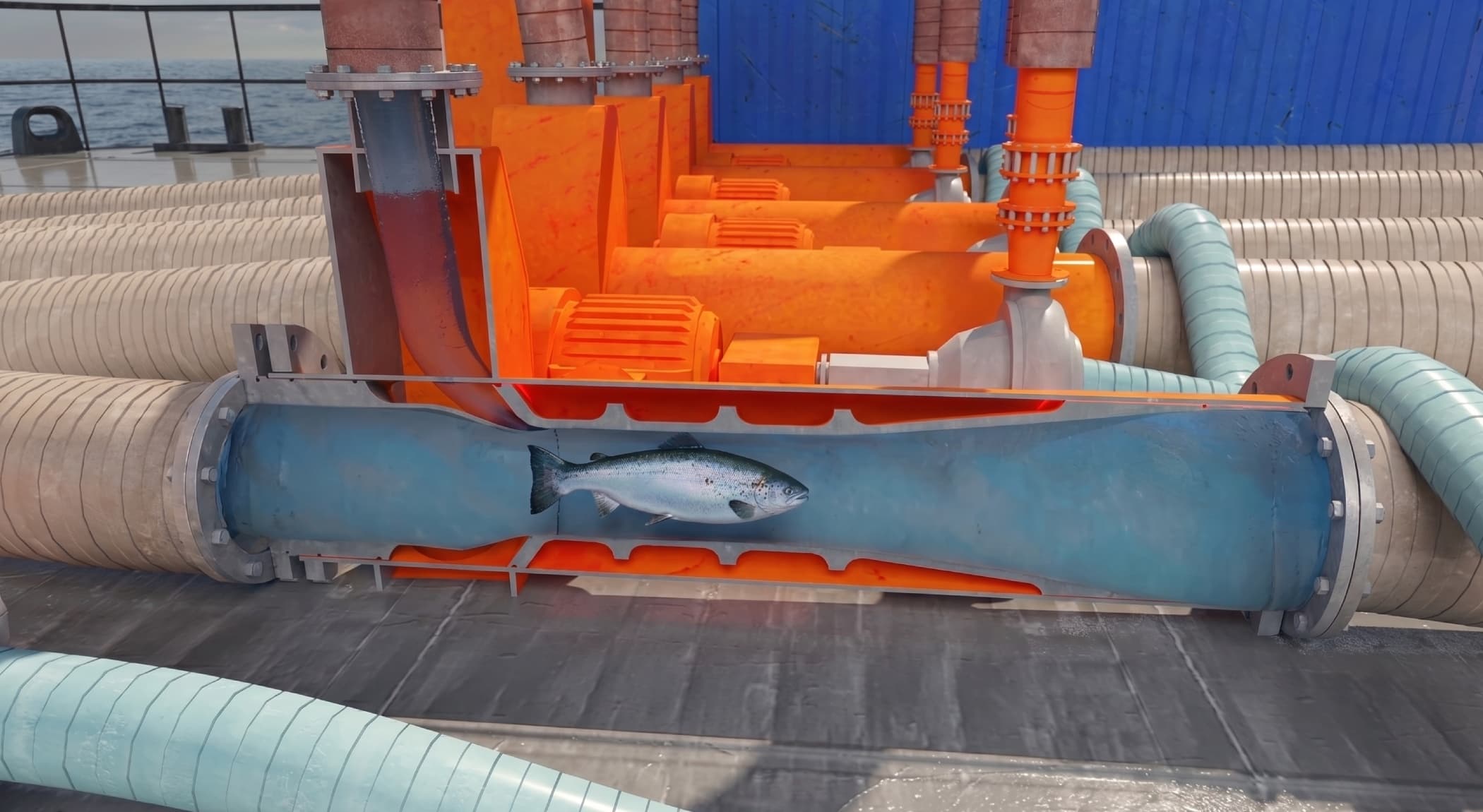
Fish are pumped gently, without harmful contact with moving parts.
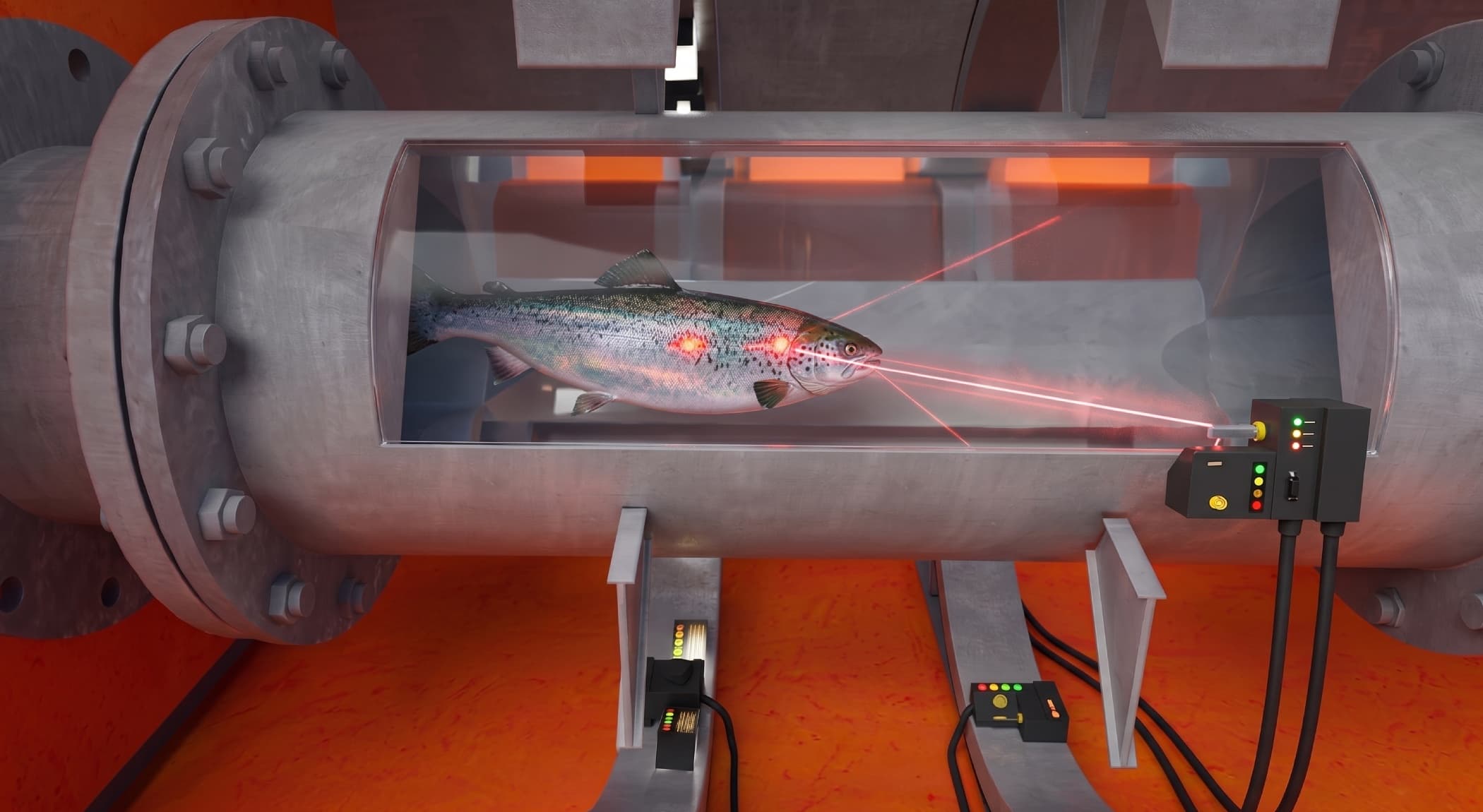
Every fish is inspected and documented. Only the louse itself is treated - not the whole fish.
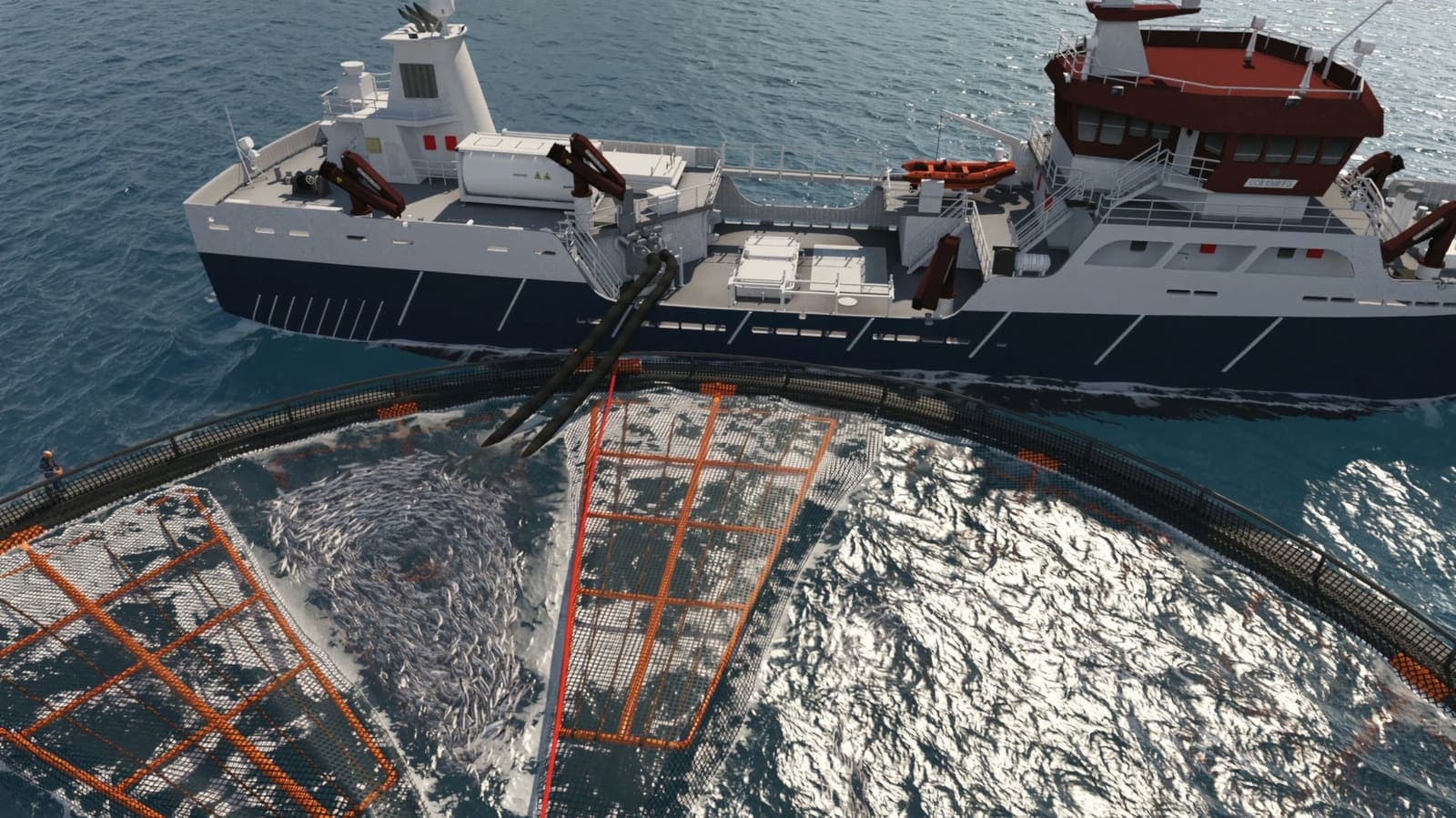
The full sequence in one film: crowding, transport and delousing in context.
We move lice control out of large, stressful treatment operations and into a controlled, gentle process in the pen itself.
The aim is for the overall reduction in stress to remove the need to starve the fish before treatment.
Wellboat operations may also become redundant.
Get in touch and let's talk - about the technology, the testing and the road ahead.